We offer many rental options for your event or meeting. Contact us today to learn more!
History of the Biosophical Institute
Biosophy combines the Greek words bios (life) and sophia (wisdom). “Biosophy is the science of the inner life" as defined by its founder, Dr. Frederick Kettner.
Biosophy focuses on the individual person cultivating spiritual values, character, and inner peace, as the key to broader social harmony and world peace. The Institute has long held that peace must begin within each individual in order to overcome societal conflict, prejudice, and injustice.
From Spinoza to Biosophy: The Early Years
Founded in the years between World War I and World War II, the Biosophical Institute emerged from a commitment to character and peace education, believing that lasting world peace begins with inner peace and ethical living. Under the leadership of Dr. Frederick Kettner, the Institute laid visionary groundwork for peace, ethics and social harmony that continues to guide our work today.
Early Roots & Inspiration
In the 1920s, a study group led by Dr. Frederick Kettner at City College in New York City, studied the philosophy of Baruch Spinoza, the seeds of what would become Biosophy. By 1928, the group expanded into the Spinoza Institute of America, soon after headquartered at the Roerich Museum in New York. In 1935, the community became officially known as the Biosophical Institute — reflecting Kettner’s vision of Biosophy as a “science of the inner life."
What followed were weekly lectures, communal study groups, and public discussions, blending spiritual, ethical, and philosophical inquiry. The group drew thinkers from across disciplines and backgrounds, all united by shared commitment to peace, character, and inner growth.
Growth, Community, and Global Vision
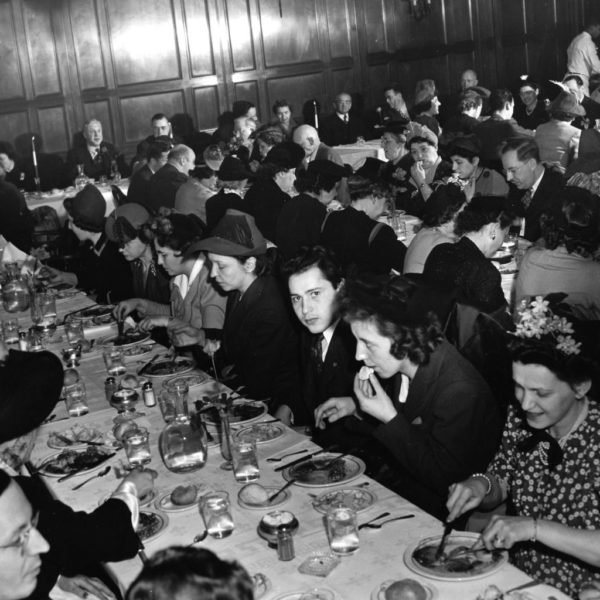
By the 1930s and '40s, the Institute had grown beyond New York City. Members founded centers in White Plains, N.Y.; Cleveland, Chicago, Washington, D.C.; and others, transforming Biosophy into a movement. Concurrently, the Institute published the Biosophical Review ( formerly Spinoza Quarterly ) to spread its ideals of character and peace education.
In 1939, the Institute produced a peace-themed film shown at the New York World’s Fair, featuring prominent thinkers and Nobel laureates — a bold attempt to bring the message of peace to a global audience.
Beyond media and centers, Kettner proposed a peace university and worldwide departments of peace. The university represented a new model of education that would nurture ethical living, social harmony, and spiritual growth. These ideas reflect a foundational ambition: to embed peace, ethics, and character development into the fabric of society.
Continuing the Work
Many original centers faded over time, but thanks to the generosity of former Institute member Frank Colson, the Biosophical Institute transformed into a foundation committed to advancing peace, ethics, and community, through education, grants and scholarships, and the operation of the Center for P.E.A.C.E. and Community.
Today, we draw from more than a century of history, publishing, community-building, and spiritual inquiry to foster an inclusive, compassionate, and thoughtful world.
Help Us Build a Stronger Community
When you support the Biosophical Institute, you make more than a donation. You help create space for dialogue, provide resources for changemakers, and sustain a retreat center where people can gather to learn and connect. Your contribution makes this work possible.